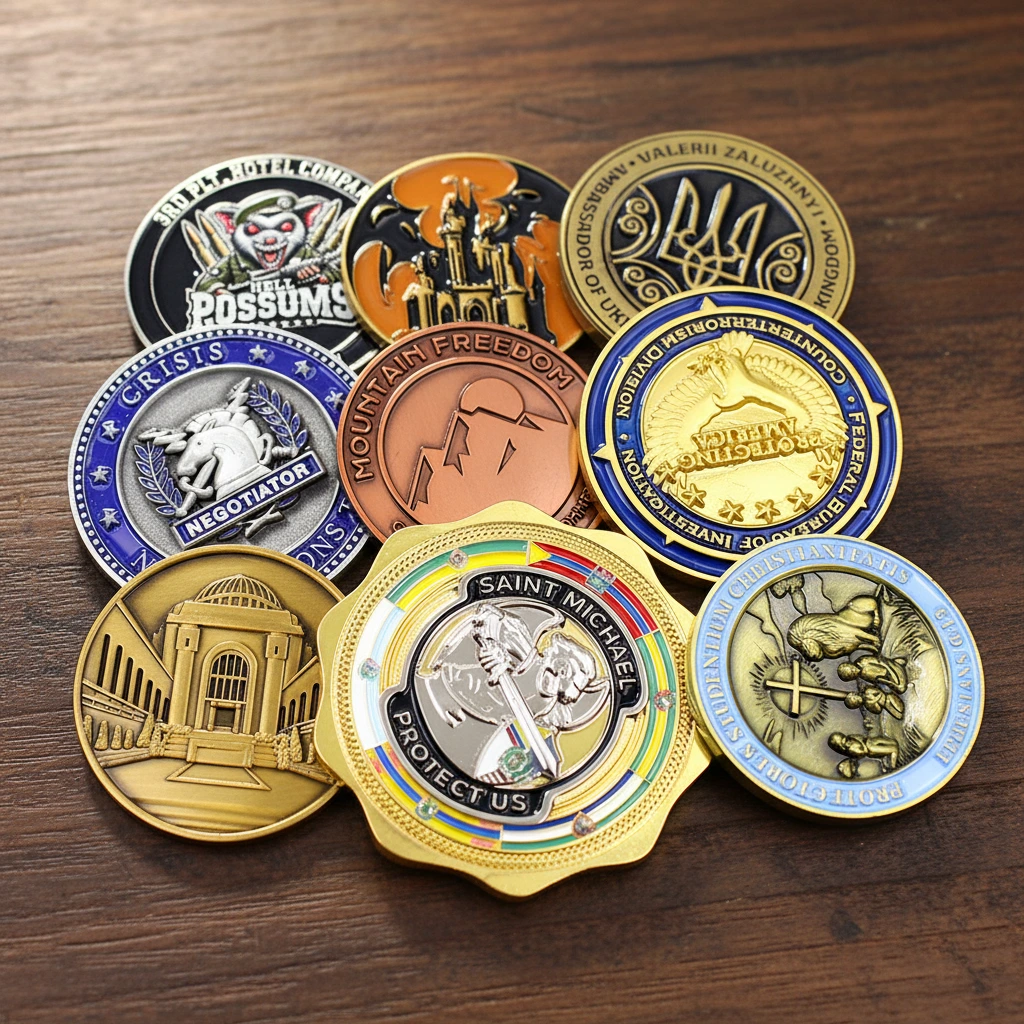
Military challenge coins are not just small pieces of metal; they reflect the deep values of comradeship, pride, and loyalty of an entire company. Would you like to find out how to produce such meaningful tokens? Thus, this article will show you how military challenge coins are made, from the very first idea of designing up to the final product.
Making the Coin
The design process is the greatest element in this process. It begins with a meeting between the military organization and the manufacturing company. The coin maker needs to be aware of the elements the coin must communicate, its message, and its design. Take, for instance, an emblem coin which can have an emblem or insignia of the organization, or a logo of the military branch.
Once a general idea is formed, the designers initiate the designs and add details like symbols, words, etc. When an initial design is completed and agreed on, a digital representation of the coin is created with the use of special design programs that can be used to make some changes and modifications and create a 3D model of the coin to show how it will look like.
Choosing the Material
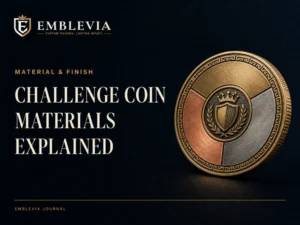
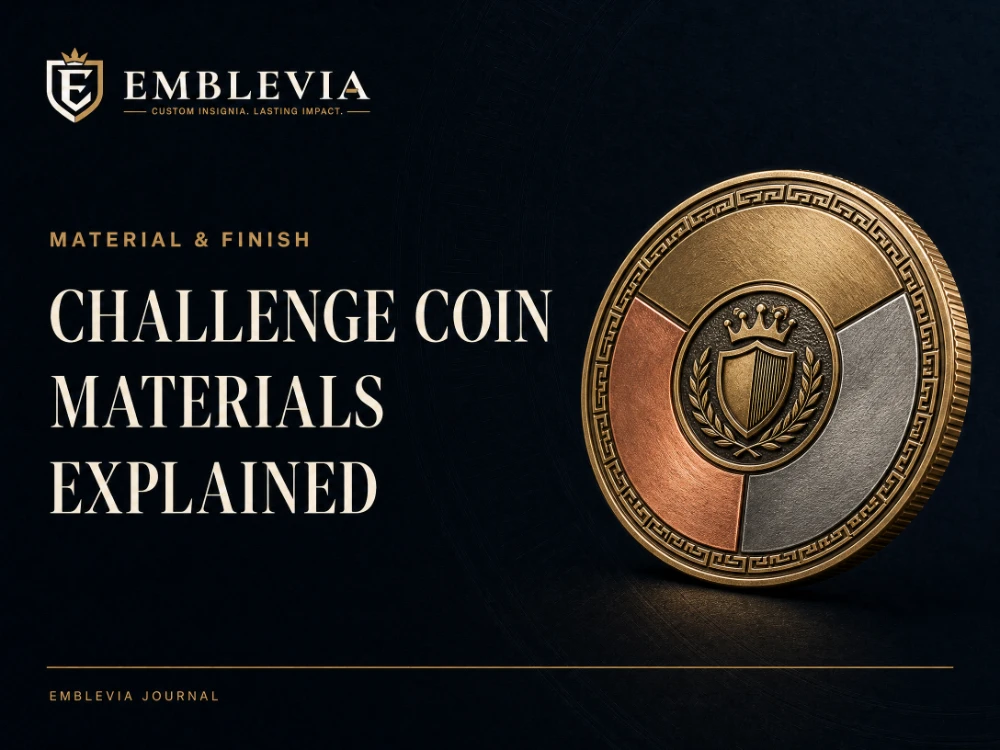
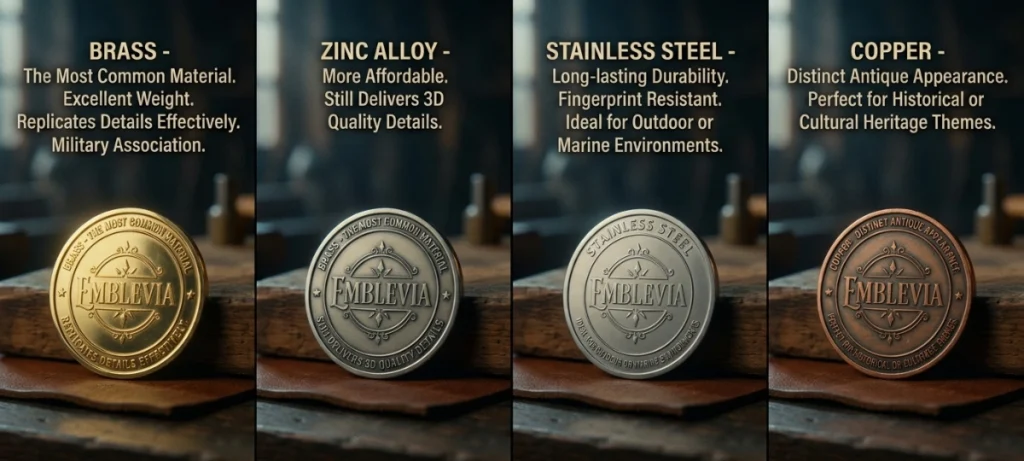
The choice of the coin material plays a vital role as far as the quality of the coin is concerned. The most commonly used material for coin making is brass as this material is characterized by good weight and effective reproduction and is commonly associated with the military.
Another metal that is frequently employed is zinc alloy, which is cheaper but can still provide detail in 3D quality. Stainless steel is used because it is long-lasting and does not leave fingerprints on the products; this characteristic makes stainless steel suitable for products used outdoors or in marine environments. Coin models made of copper can have a particular antique skin, which is appropriate for coins with the themes of the past or a cultural heritage.
| Material | Cost | Key Characteristics | Ideal Applications / Themes |
|---|---|---|---|
| Brass | Standard (Most commonly used) | Good weight, effective reproduction | Military coins |
| Zinc Alloy | Cheaper | Can provide detail in 3D quality | General use requiring 3D detail |
| Stainless Steel | Not specified | Long-lasting, does not leave fingerprints | Outdoor or marine environments |
| Copper | Not specified | Particular antique skin | Past or cultural heritage themes |
Production of the die
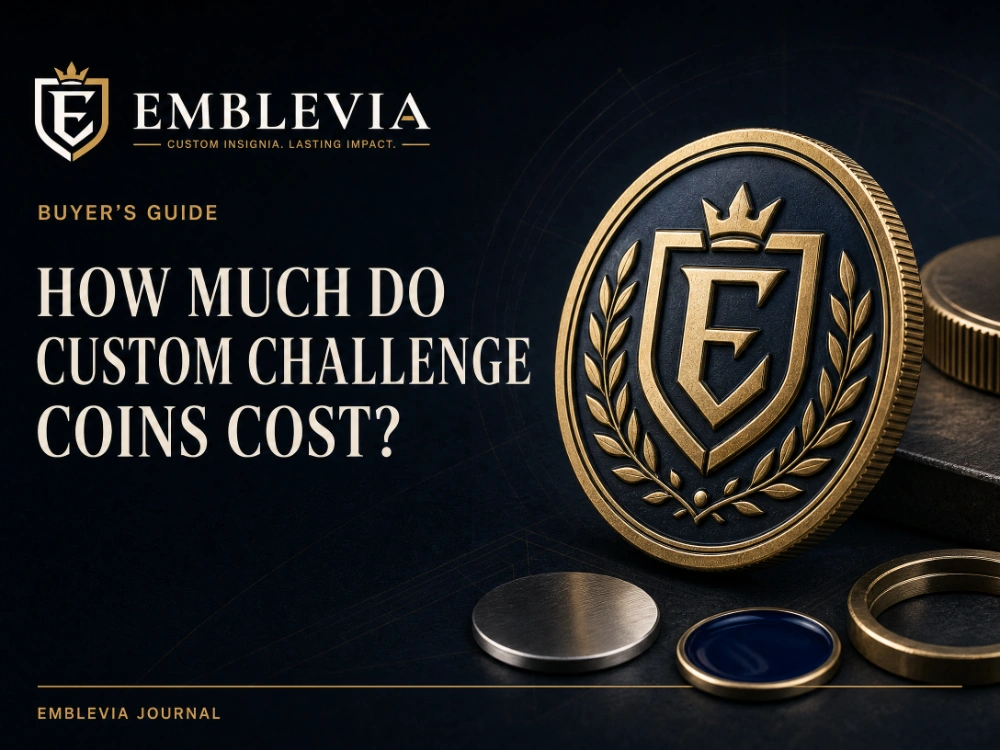
Now that the final model is ready, it is time to manufacture the die, as it serves as the basis for the entire process. The die is created through computerized engraving machines, which replicate the digital model on steel components, which are finally used for the manufacturing process.
In the case of coins that have complicated designs production of several dies is common. However, before the full production begins the die will go through many tests and the creation of samples in order to guarantee the accuracy and quality of the coin that is about to be produced.
Die-Striking or Die-Casting
Coin-shaping is conducted by two primary methods, which are die – striking and die – casting. Die-striking method is considered more suitable for producing premium quality coins as two engraved dies are utilized to stamp a blank piece of metal. The result is well-defined pieces with sharp details and a defined rim.
With die – casting technology, on the other hand, producing different 3D shapes is feasible. The process entails injecting molten zinc alloy into a precised steel mold, making it possible to create coins with different designs and heights, which is common in the making of army challenge coins.
Edge Cutting
After the coin production is done, an edge is cut to obtain the necessary finish. There are various available options for edges including rope, diamond, and scalloped edges among others.
Enamel Filling
Enamel filling is a common process used for coloring the coins. The artists typically use either the soft enamel paint or hard enamel powder, which are used as a filling material in the recessed areas of the design. The soft enamel paint gives the coins a distinctive look with a rough feel while hard enamel gives the coins a glossy and smooth touch like expensive jewelry.
Quality Control
Quality control is a vital part of the production procedure. Each coin goes through proper inspection to identify any issues. The designs need to be perfectly aligned, while edges should be smooth without uneven plating. The Specs of the coins are checked to be sure they conform to the listed standards.
Packaging
At last, the challenge coins are packaged, and there are many methods to accomplish this, such as using velvet pouches, acrylic display cases, or gift boxes. Proper packaging serves a dual purpose since it not only protects the coins during transport but also contributes to their value as gift items or collectors’ items.
Therefore, it is evident that producing military challenge coins involves different aspects of art, craftsmanship, and modern manufacturing techniques. Each step in making the coin requires special attention to detail to ensure that the coin fully embodies the essence and identity of the military unit.